

Why Cabin Crew Safety Briefings Never Change in Aviation
Date Published
The Illusion of Repetition in the Sky
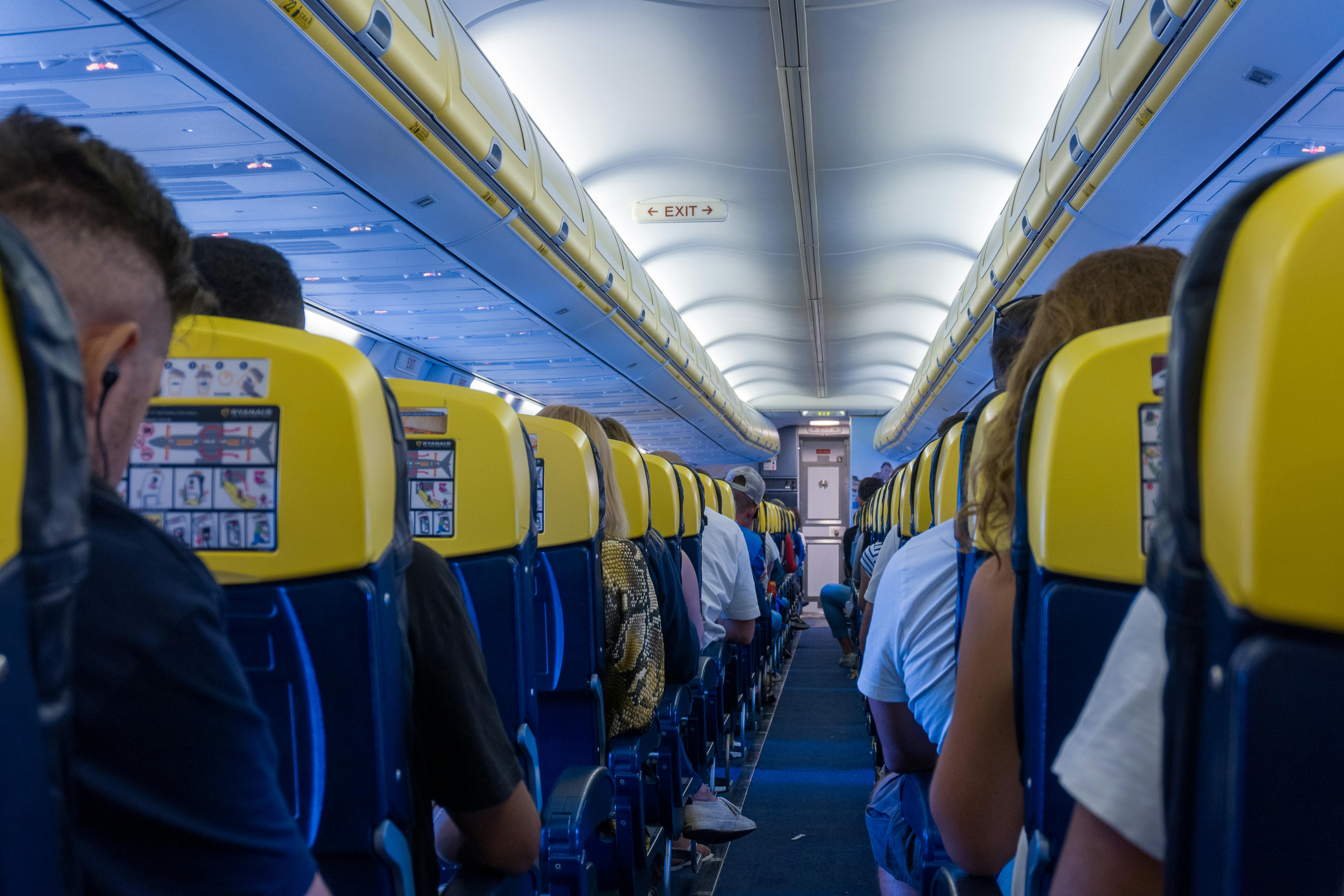
If you have flown more than once on a commercial aircraft, you have probably noticed something almost uncanny. The safety briefing feels identical every time. The gestures, the wording, the sequence of instructions, even the tone of voice. It does not matter whether you are on a short domestic hop or a long-haul intercontinental flight. The ritual repeats itself like a carefully choreographed performance that refuses to evolve.
To the casual passenger, this repetition can feel unnecessary, even robotic. Yet in commercial airline tourism, this consistency is not a creative limitation. It is a safety design feature. The apparent lack of change is the result of decades of refinement, global regulation, behavioural science, and legal obligation. What you are really witnessing is not stagnation, but precision locked into place by design.
Behind every calm instruction delivered by cabin crew lies a system shaped by international aviation authorities such as the International Civil Aviation Organization (ICAO), the Federal Aviation Administration (FAA), and the European Union Aviation Safety Agency (EASA). These organisations do not encourage variation in safety communication. They actively discourage it.
The reason is simple. In aviation, familiarity is not boring. It is lifesaving.
Safety Communication Is Built for Memory Under Stress
The core purpose of a cabin crew safety briefing is not to entertain or to impress. It is to ensure recall under stress. In aviation emergencies, passengers do not have time to interpret new language or unfamiliar instructions. They rely on recognition, not reasoning.
Human cognition under pressure becomes narrow. In emergency situations, auditory processing slows, attention fragments, and decision-making becomes instinctive rather than analytical. This is why safety briefings are intentionally repetitive. They are designed to embed themselves into long-term memory through exposure, not novelty.
The phrasing you hear on board is the product of behavioural research. Studies in aviation psychology have shown that passengers are significantly more likely to recall safety procedures when the messaging is consistent across flights and airlines. This consistency reduces cognitive load, allowing passengers to focus on execution rather than interpretation.
This is also why gestures are standardised. The hand signals for seatbelts, oxygen masks, and life jackets are not artistic choices. They are universal visual anchors that transcend language barriers. In a global industry where passengers may speak dozens of different languages on a single aircraft, visual standardisation becomes essential.
The cabin crew safety briefing is, in essence, a cognitive shortcut system designed for moments when clarity matters more than creativity.
ICAO and the Architecture of Global Standardisation
At the centre of aviation standardisation sits the International Civil Aviation Organization (ICAO). This United Nations specialised agency is responsible for establishing global aviation standards that member states adopt into national regulation.
ICAO’s role in cabin safety communication is particularly important because it ensures that a passenger flying from Johannesburg to London receives broadly the same safety information as a passenger flying from Tokyo to New York. Without this consistency, international aviation would fragment into incompatible safety cultures.
The logic behind ICAO’s standardisation framework is rooted in interoperability. Aircraft are not confined to national borders. They operate in shared airspace, with multinational crews, diverse passengers, and globally manufactured equipment from companies such as Airbus and Boeing. Safety procedures must therefore be universally intelligible.
Cabin safety briefings fall under this umbrella because they are part of the aircraft’s certified safety system. Any deviation from approved phrasing or procedure could introduce variability in passenger response, which regulators treat as an unacceptable risk.
The result is a tightly controlled communication model where airlines are required to meet minimum content standards. These standards specify what must be communicated, how it must be demonstrated, and in what sequence it must appear.
What ICAO ensures is not just consistency between airlines, but consistency across continents.
Why Airlines Cannot “Modernise” Safety Language Freely
It is tempting to assume that airlines could update safety briefings to make them more engaging, more modern, or more aligned with contemporary communication styles. In practice, this is heavily restricted.
Commercial airlines operate under strict certification frameworks governed by national regulators such as the FAA in the United States, EASA in Europe, and equivalent bodies in other jurisdictions. These authorities approve safety procedures as part of an aircraft’s operational certification.
Once a safety briefing is approved, it becomes part of the airline’s regulated safety system. Changing it is not as simple as rewriting a script. It requires validation, testing, documentation, and regulatory approval. In many cases, even minor changes must demonstrate that they do not reduce clarity or increase misunderstanding risk.
The reason for this rigidity is that safety communication is not evaluated on creativity. It is evaluated on predictability of passenger response.
Airlines also operate globally, which introduces another constraint. A change that improves clarity in one cultural or linguistic context might reduce clarity in another. Standardisation ensures that no matter where a passenger boards, the safety message remains stable.
This is why cabin crew briefings evolve slowly, almost imperceptibly. When changes do occur, they are typically driven by equipment updates, regulatory amendments, or incident-driven safety reviews rather than marketing or branding decisions.
The Legal Weight Behind Every Instruction
Every sentence delivered during a safety briefing carries legal significance. In commercial aviation, safety communication is part of the airline’s duty of care to passengers.
Regulatory frameworks such as those enforced by ICAO member states require airlines to demonstrate that passengers are properly informed about emergency procedures. Failure to do so can result in fines, operational restrictions, or in extreme cases, grounding of aircraft.
This legal dimension is one of the strongest reasons safety briefings remain unchanged. Once a procedure is legally validated, it becomes a compliance baseline. Deviating from it introduces legal exposure that airlines are highly motivated to avoid.
In addition, aviation law is deeply influenced by accident investigation findings. Agencies such as the National Transportation Safety Board (NTSB) and similar international bodies regularly analyse incidents and recommend changes to safety procedures. When updates are made, they are carefully integrated into existing frameworks rather than replacing them entirely.
This creates a system where safety briefings accumulate improvements over time, like geological layers, rather than undergoing dramatic redesigns.
Human Behaviour and the Limits of Attention
Even the most sophisticated safety briefing is ultimately limited by human attention. Research consistently shows that many passengers do not fully engage with safety demonstrations, particularly frequent flyers who believe they already know the content.
This behavioural reality has shaped how airlines design their communication. Since attention cannot be guaranteed, repetition becomes a compensatory mechanism. The more consistent the message, the higher the chance that at least fragments of it will be retained.
Cabin crew are trained to deliver briefings in a way that balances authority with calm clarity. The tone is intentionally neutral. Emotional extremes are avoided because they can either induce anxiety or reduce perceived importance.
The uniformity of delivery also helps reduce variability in passenger interpretation. If every crew member delivered safety instructions differently, passengers would be exposed to inconsistent phrasing across flights, reducing recall reliability.
This is why airlines invest heavily in training cabin crew to deliver briefings in a standardised manner. The goal is not performance variation, but performance consistency.
The Role of Cabin Crew as Safety Communicators
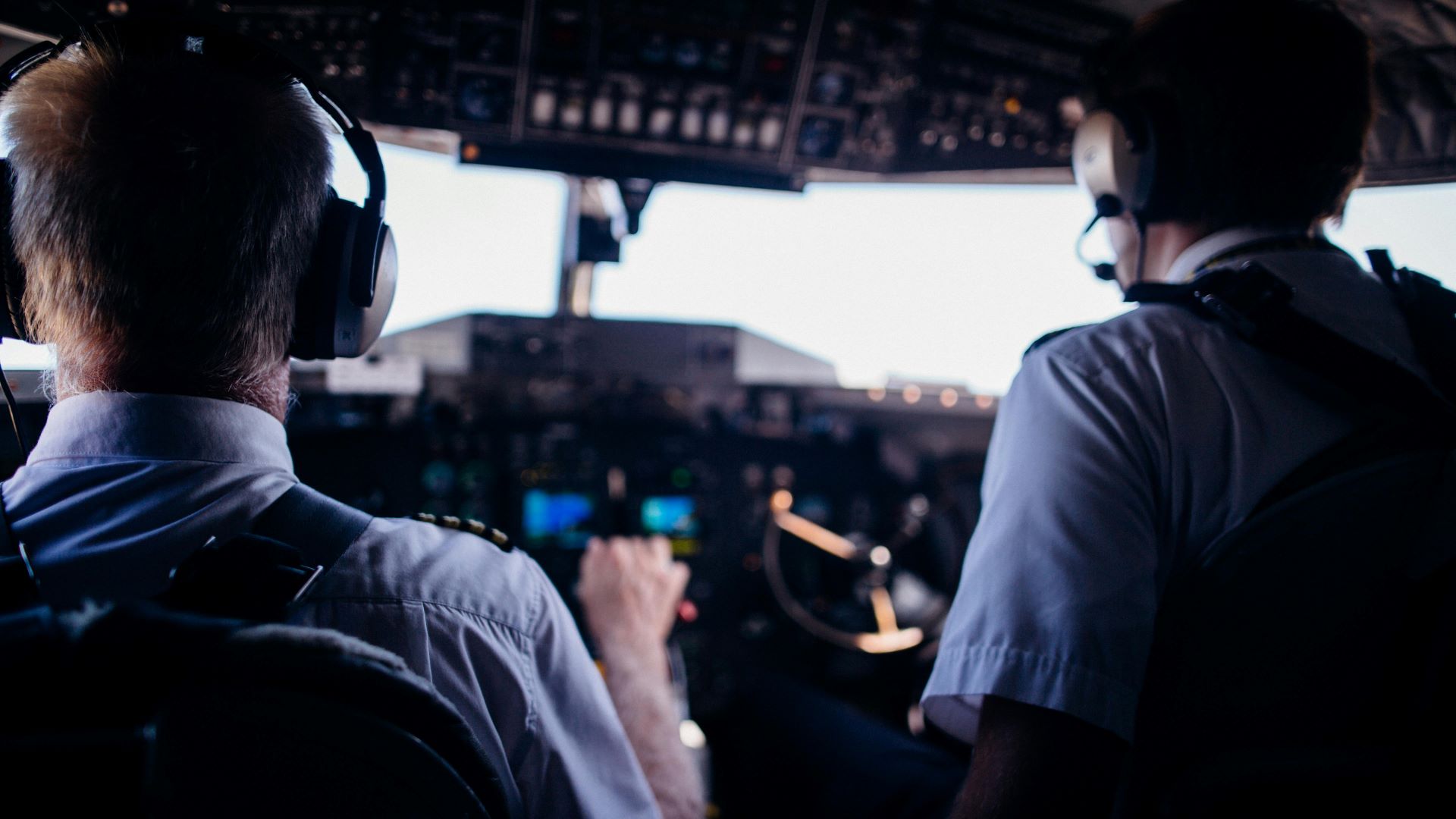
Cabin crew are often misunderstood as service personnel, but their primary role in aviation regulation is safety-related. The safety briefing is one of their most important responsibilities because it sets the foundation for passenger behaviour during emergencies.
Training programmes across airlines emphasise precision. Crew members must demonstrate not only knowledge of procedures but also the ability to communicate them clearly under various conditions. This includes noise, passenger distraction, and time constraints.
The briefing is typically structured to follow a predictable sequence: seatbelts, exits, oxygen masks, life jackets, electronic devices, and safety cards. This sequence is not arbitrary. It reflects risk prioritisation and evacuation logic.
For example, seatbelts are addressed early because turbulence is statistically one of the most common in-flight safety risks. Oxygen masks are demonstrated before life jackets because cabin depressurisation requires immediate action. Exit awareness is emphasised because evacuation timing is critical in worst-case scenarios.
Cabin crew are trained to maintain this order without deviation, ensuring that passengers receive information in a psychologically and operationally optimised sequence.
Aircraft Design and Its Influence on Briefings
Aircraft manufacturers such as Airbus and Boeing play a subtle but important role in shaping safety briefings. The physical layout of an aircraft influences what must be communicated.
Exit locations, door mechanisms, seat configurations, and life-saving equipment placements vary between aircraft models. However, the briefing must account for these variations while remaining broadly consistent across fleets.
This creates a challenge. Airlines must balance aircraft-specific instructions with standardised messaging. The solution is modular communication. Core safety principles remain identical, while specific instructions are adapted visually or through demonstration rather than language variation.
For example, the concept of “locate your nearest exit” remains constant, even though the actual exit location depends on the aircraft type. Cabin crew supplement verbal instructions with gestures, lighting cues, and safety cards that are tailored to the specific aircraft configuration.
This hybrid approach allows for both standardisation and flexibility without compromising clarity.
Why Innovation in Safety Briefings Is Slow by Design
In most industries, innovation is a desirable goal. In aviation safety communication, innovation is treated with caution.
Every proposed change must pass through multiple layers of testing. These include comprehension testing, scenario simulation, regulatory review, and often real-world observation in controlled environments.
The reason for this caution is that safety communication is a high-consequence system. A poorly understood instruction does not result in inconvenience. It can result in injury or loss of life.
Because of this, airlines and regulators prefer incremental improvements over radical redesigns. Even digital innovations such as in-seat video briefings or animated demonstrations are carefully aligned with existing approved scripts rather than replacing them.
This conservative approach is not resistance to change. It is risk management applied to communication.
The Psychological Comfort of Familiarity
There is also an often-overlooked benefit to consistency. Familiarity creates psychological stability. Even passengers who do not consciously pay attention to safety briefings are influenced by their repetition.
The predictable rhythm of instructions can reduce subconscious anxiety during takeoff. It signals that the airline is operating within a controlled, standardised system. In an environment where passengers surrender control to technology and crew expertise, this sense of structure matters.
Repeated exposure also creates what behavioural scientists call passive learning. Even when attention is low, repeated patterns gradually embed themselves in memory. This means that during emergencies, passengers may recall instructions they were not actively focusing on at the time.
In this sense, repetition is not wasted communication. It is background training for unpredictable future moments.
Why Cabin Crew Briefings Will Likely Stay the Same
Looking forward, it is unlikely that cabin crew safety briefings will undergo radical transformation. While technology may enhance delivery methods, the core structure will remain stable.
Regulators will continue to prioritise consistency. Manufacturers will continue to design aircraft that require standardised instruction. Airlines will continue to operate across jurisdictions where interoperability is essential.
Even as aviation embraces digital transformation, artificial intelligence, and enhanced passenger experience systems, safety communication will remain anchored in simplicity.
There may be improvements in visualisation, multilingual delivery, or augmented reality demonstrations, but the underlying script will continue to reflect decades of accumulated regulatory wisdom.
In aviation, change is not measured by speed. It is measured by certainty.
The Quiet Discipline of Not Changing
The next time a cabin crew member begins a safety briefing, it may help to listen with a different perspective. What sounds repetitive is actually one of the most carefully engineered communication systems in global transport.
The lack of change is not an oversight. It is the result of international coordination, legal precision, behavioural science, and operational discipline.
In commercial airline tourism, safety communication is not designed to evolve with trends. It is designed to survive unpredictability.
And in the sky, where conditions can change without warning, consistency is not just comforting. It is essential.