

Airline Cargo vs Passenger Travel Economics Explained
Date Published
The Hidden Engine Behind Every Passenger Flight
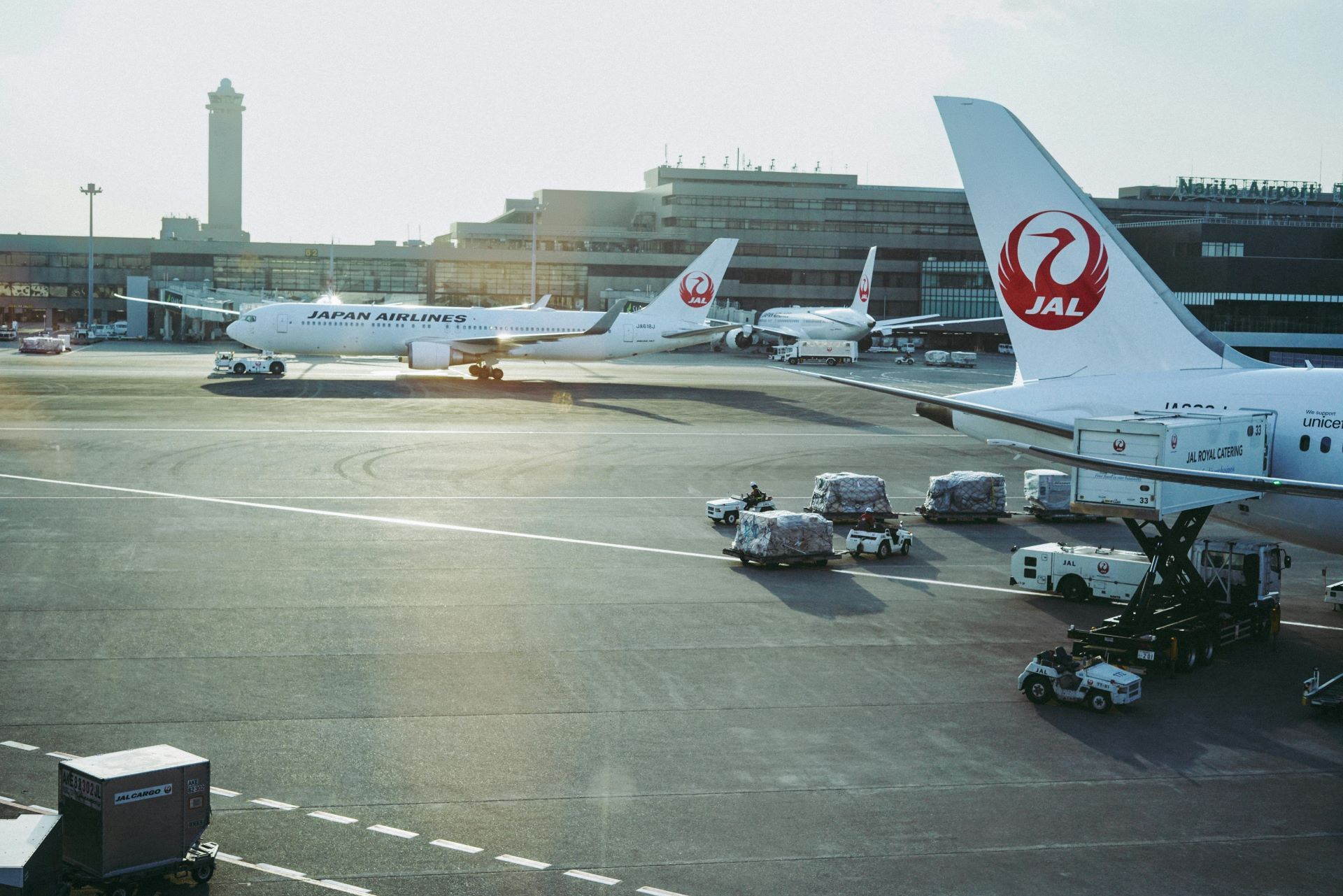
When most people book a flight, they think in terms of seats, legroom, in-flight meals, and arrival times. What rarely crosses the mind is what is happening beneath their feet in the aircraft’s belly. While passengers occupy the visible economy of aviation, cargo quietly occupies a parallel economy that often determines whether a flight is profitable at all.
In commercial airline tourism, passenger travel is the headline act. Cargo is the backstage operator that helps keep the entire production financially viable. The relationship between the two is not incidental. It is structural, deeply integrated, and increasingly strategic in a global aviation industry where margins are thin and fuel costs are volatile.
Modern airlines do not simply fly people from one destination to another. They operate complex airborne logistics systems where passenger tickets and freight contracts share the same aircraft, the same fuel burn, and often the same route economics.
Understanding this relationship reveals a crucial truth: many passenger flights would not exist at current price levels without the subsidy provided by cargo carried in the aircraft belly.
Belly Freight: The Silent Revenue Stream
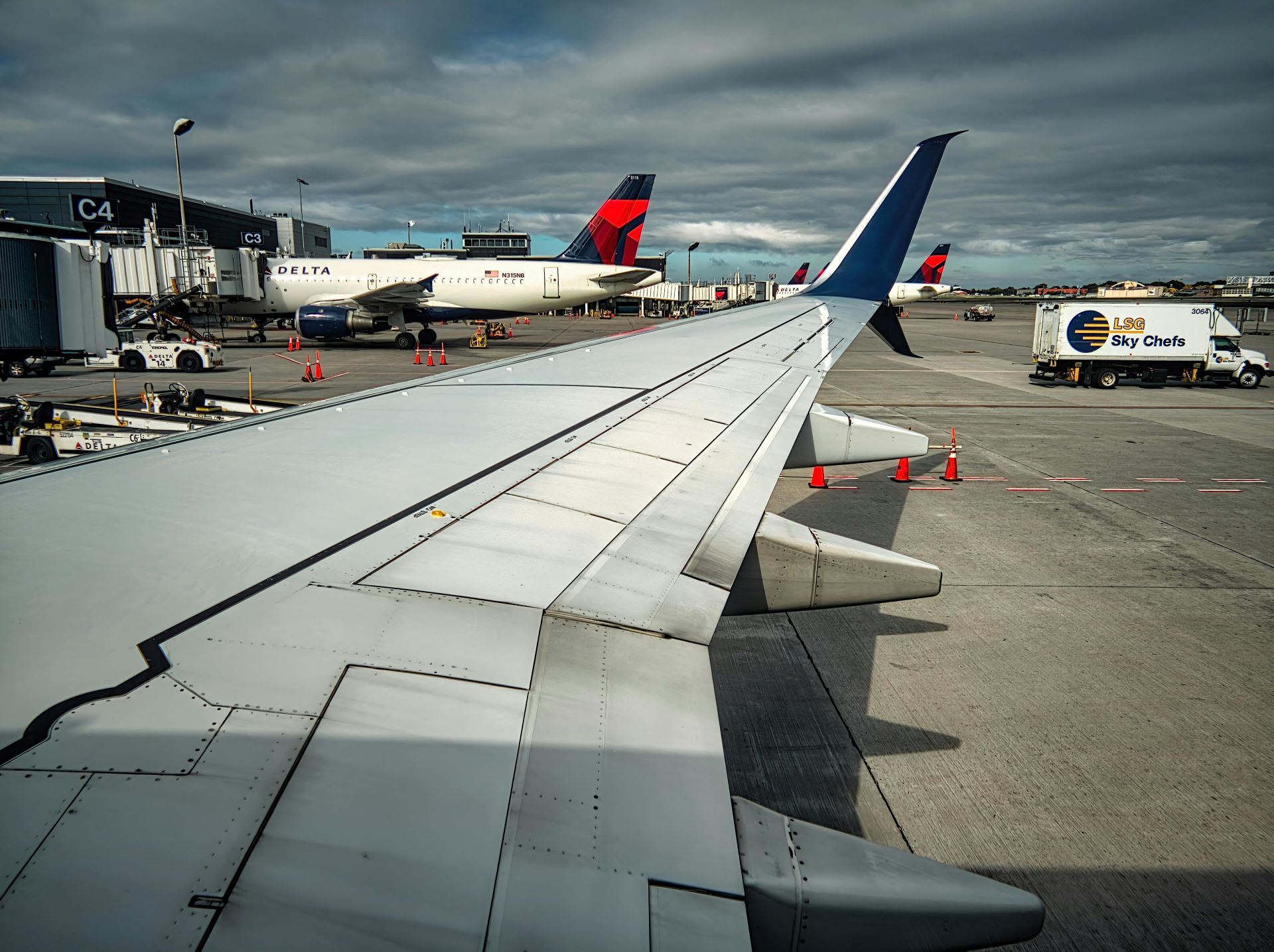
The term “belly freight” refers to cargo transported in the lower deck of passenger aircraft. Unlike dedicated freighter aircraft, these planes are primarily designed for passengers, but their underfloor compartments are optimized for containers and loose cargo.
This space is far from secondary in economic importance. On many long-haul routes, belly freight can account for a significant portion of total flight revenue. In some cases, especially on cargo-heavy corridors, it can tip a marginally profitable passenger route into a sustainable one.
The economics are elegant in their simplicity. A passenger flight has already committed to fixed costs: fuel burn, crew salaries, landing fees, and aircraft depreciation. Once the aircraft is airborne, additional cargo weight within limits does not dramatically change those costs. This creates an opportunity to sell unused weight capacity as freight.
From an airline’s perspective, this is incremental revenue layered on top of an already scheduled service. From a logistics perspective, it is an efficient use of existing infrastructure. From a tourism perspective, it is part of what keeps ticket prices from spiraling even higher.
Why Cargo Can Subsidise Passenger Tickets
A passenger airline flight operates on a complex cost structure. The largest expenses include fuel, leasing or financing costs for the aircraft, maintenance cycles, airport charges, and crew costs. These remain relatively fixed regardless of whether the aircraft carries 50 passengers or 200.
This is where cargo changes the equation.
Once passenger revenue covers a portion of fixed operating costs, cargo revenue acts as a supplementary layer that improves overall yield per flight. This is especially important on routes where passenger demand alone is insufficient to cover operating costs at competitive fares.
Cargo does not require additional cabin crew, entertainment systems, or catering logistics. It simply occupies available weight and space. This makes it a highly efficient revenue source in aviation economics.
On long-haul routes, particularly between major global trade hubs, cargo revenue can represent a stabilising force. It allows airlines to maintain passenger routes that might otherwise be reduced or eliminated due to low load factors.
In essence, cargo acts as a financial stabiliser for commercial airline tourism, smoothing out volatility in passenger demand.
The Economics of Space and Weight
Aircraft economics are governed by two invisible currencies: space and weight. Every kilogram carried on a flight must justify its presence economically.
Passenger baggage, catering supplies, and operational equipment all compete for limited payload capacity. Cargo enters this system as a commercially allocated segment of that capacity.
Airlines price cargo based on a combination of weight, volume, route demand, and urgency. High-value, low-weight goods such as electronics or pharmaceuticals often generate higher yields per kilogram than bulk commodities.
The key economic insight is that aircraft do not become significantly more expensive to operate when carrying additional payload, as long as they remain within performance limits. Fuel burn increases with weight, but not in a linear way that negates profitability. This creates a wide margin for cargo profitability on passenger aircraft.
This delicate balance is why cargo planning is integrated directly into flight operations rather than treated as an afterthought. Load control teams determine exactly how weight is distributed between passengers, baggage, and freight to ensure both safety and economic efficiency.
Belly Cargo vs Dedicated Freighters
While belly cargo plays a crucial role in passenger aviation, it exists alongside dedicated freighter aircraft operated by cargo-focused airlines or divisions of passenger carriers.
Freighters offer greater flexibility in volume, weight, and routing. They are essential for oversized goods, heavy industrial equipment, and large-scale logistics operations. However, they come with higher operating costs per flight because they generate revenue solely from cargo.
Passenger aircraft with belly cargo, by contrast, benefit from dual revenue streams. The aircraft is already flying to serve passengers, and cargo becomes an additional income layer.
This dual-use model is especially powerful in global tourism corridors where passenger demand is strong but not always sufficient to maximise profitability. Routes connecting Europe, Asia, Africa, and North America often rely on this hybrid model.
In many cases, airlines use passenger aircraft to establish route viability, and once cargo demand grows sufficiently, they may introduce dedicated freighter services to complement or expand capacity.
Airline Route Planning and Cargo Strategy
Route planning in modern aviation is no longer driven purely by passenger demand. Cargo potential is now a central variable in network design.
Airlines evaluate routes based on total revenue potential per flight, not just ticket sales. A destination with moderate tourism demand but strong export industries may be more attractive than a purely passenger-driven route.
For example, routes connecting manufacturing hubs to consumer markets are often cargo-rich. Electronics, automotive components, agricultural products, and pharmaceuticals frequently move through passenger aircraft belly holds.
This creates a strategic layer in airline network planning. Some routes exist not because of tourism demand alone, but because cargo demand helps sustain frequency and pricing.
Airlines also use cargo forecasts to determine aircraft type selection. Wide-body aircraft with larger belly capacity are preferred on routes where freight demand is high, even if passenger numbers could technically be served by smaller aircraft.
This integration ensures that tourism connectivity and global trade are developed in parallel rather than competition.
Hubs, Connectivity, and Cargo Flow
Airline hubs are not just passenger transfer points. They are logistics ecosystems where cargo and passengers intersect in tightly choreographed operations.
Major international hubs function as redistribution centres for global trade. Cargo arriving in the belly of a long-haul passenger flight may be transferred to another aircraft for onward distribution within hours.
This creates a layered logistics network where tourism and trade share infrastructure. The same airport terminal supports leisure travellers, business passengers, and high-value freight operations.
Efficient hub design is critical. Cargo handling facilities must be located close to passenger aircraft stands to minimise transfer time. This reduces delays and ensures that perishable or time-sensitive goods maintain value.
In many cases, cargo efficiency is a key reason why certain airports become dominant global hubs. Their ability to handle both passenger flow and freight logistics determines their competitiveness in the aviation ecosystem.
Seasonal Tourism and Cargo Balancing
One of the most interesting dynamics in commercial airline tourism is the seasonal imbalance between passenger demand and cargo demand.
Tourism is highly seasonal. Holiday peaks, school vacations, and regional travel patterns create predictable spikes in passenger traffic. Cargo demand, however, often follows different cycles driven by manufacturing output, retail demand, and global supply chains.
This imbalance creates opportunities for airlines to optimise revenue. During low passenger seasons, cargo can play a larger role in sustaining route profitability. During peak tourism seasons, passenger revenue dominates but cargo remains a stabilising factor.
Airlines actively manage this balance by adjusting pricing, capacity allocation, and even flight schedules. Some routes are maintained year-round specifically because cargo demand remains consistent even when tourist traffic declines.
This balancing act is one of the reasons global air networks remain stable despite fluctuations in tourism trends.
Fuel Costs and the Pressure on Margins
Fuel is the most significant variable cost in aviation, and it directly influences the importance of cargo revenue.
When fuel prices rise, airlines face immediate pressure on profitability. Passenger fares alone often cannot absorb these increases without reducing demand. Cargo revenue helps offset this pressure by contributing additional income per flight.
Because cargo operates within the same fuel burn, its contribution is particularly valuable during high-cost periods. Even modest increases in cargo load factor can have a meaningful impact on overall route economics.
This is why airlines closely monitor fuel efficiency metrics alongside cargo yield. The relationship between weight, distance, and fuel consumption becomes central to pricing strategy.
In essence, cargo does not eliminate fuel volatility, but it helps distribute its financial impact across a broader revenue base.
The Role of Tourism in Cargo-Enabled Aviation
Commercial airline tourism depends heavily on the stability provided by cargo economics. While passengers generate the most visible revenue, they are also the most sensitive to price changes.
Cargo demand, by contrast, is often driven by global trade requirements that are less elastic. Goods must move regardless of seasonal travel sentiment.
This creates a stabilising effect where tourism benefits from the consistency of freight demand. Airlines can offer more competitive fares on passenger routes because cargo helps absorb fixed costs.
In some cases, tourism growth itself indirectly boosts cargo revenue. More flights mean more available belly space, which increases freight capacity across the network. This strengthens the overall economic ecosystem of aviation.
The result is a mutually reinforcing system where tourism and cargo are not separate businesses, but interconnected components of the same industry.
Technology and Integration in Modern Load Management
Modern airlines rely heavily on digital systems to integrate cargo and passenger operations. Load control software calculates optimal weight distribution, fuel requirements, and cargo placement in real time.
These systems ensure that safety regulations are met while maximising revenue efficiency. Every kilogram of cargo is accounted for in relation to passenger weight, baggage, and aircraft performance limits.
Advanced forecasting tools also allow airlines to predict cargo demand alongside passenger bookings. This enables more precise aircraft utilisation planning and reduces wasted capacity.
In commercial airline tourism, this level of integration is essential. Without it, the complexity of balancing two revenue streams on a single aircraft would become unmanageable.
Technology has effectively turned aircraft into dynamic revenue platforms rather than static transport vehicles.
The Post-Pandemic Shift in Cargo Importance
The global aviation industry experienced a major shift during and after the pandemic. Passenger demand collapsed temporarily, but cargo demand remained strong due to global supply chain pressures.
During this period, belly cargo became a lifeline for many airlines. Passenger aircraft were repurposed to carry freight, sometimes with seats removed to increase capacity.
This highlighted just how important cargo is to aviation economics. Airlines that previously treated cargo as secondary began investing more heavily in logistics capabilities.
Even as passenger travel recovered, the strategic importance of cargo did not diminish. Instead, it became embedded more deeply into long-term planning.
This shift reinforced the idea that airline economics are fundamentally dual-layered, with cargo and passengers operating in constant interdependence.
Future Trends: A More Integrated Aviation Economy
Looking ahead, the relationship between cargo and passenger aviation is likely to become even more integrated.
Sustainability pressures are pushing airlines to maximise efficiency per flight. Carrying both passengers and cargo on every possible route will become increasingly important for reducing environmental impact per unit of revenue.
New aircraft designs are also optimising belly space and loading systems to improve cargo handling efficiency without compromising passenger experience.
At the same time, digital logistics platforms are connecting airlines more directly with global supply chains, turning belly freight into a real-time marketplace.
In commercial airline tourism, this means flights will increasingly be planned not just around where people want to go, but where goods need to move efficiently alongside them.
The aircraft becomes less a passenger vehicle with cargo space, and more a hybrid logistics-touring system operating at global scale.
Two Businesses, One Aircraft
At first glance, passenger aviation and air cargo appear to be separate industries sharing the same infrastructure. In reality, they are deeply intertwined economic systems operating within a single machine.
Passenger travel provides visibility, demand, and the cultural identity of aviation. Cargo provides stability, profitability, and operational resilience.
The belly of an aircraft is where these two worlds meet. Every suitcase, every pallet, every container quietly contributes to the economics that make global tourism possible.
Without cargo, many passenger routes would be more expensive, less frequent, or in some cases, non-existent. Without passenger flights, much of global air freight would lose its fastest and most flexible transport network.
Together, they form the dual heartbeat of commercial aviation: one visible in airport terminals, the other hidden beneath the floor, humming steadily across the skies.